What Makes a Strong School Sports Program?
A strong school sports program gives students clear opportunities to participate, learn and progress while remaining practical for schools to deliver.
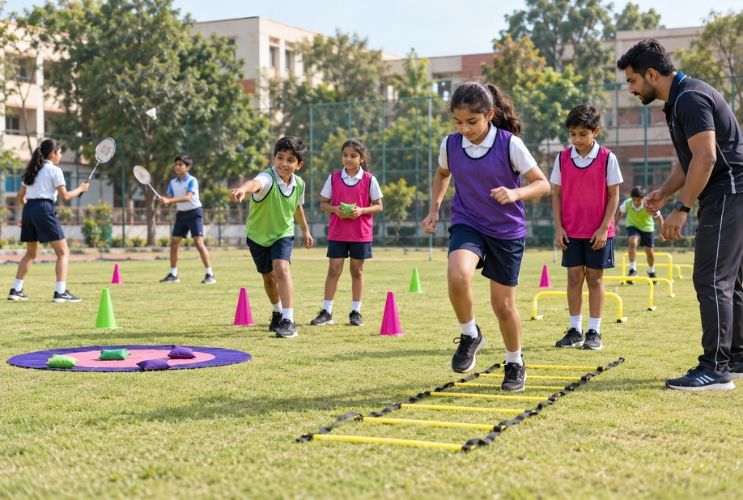
A school sports program is more than a timetable filled with physical activities. Students benefit most when sessions have a clear purpose, suit their stage of development and give them meaningful ways to participate.
For schools, the strongest programs also need to work within real timetables, available facilities and different student age groups.
Clear Age Grouping
Children at different stages need different movement challenges, learning goals and levels of structure.
Younger students may need more play-led movement experiences, while older students can gradually work toward broader sports skills, fitness, teamwork and more focused development.
Coach Quality Matters
Working effectively with children requires more than knowledge of a sport. Coaches also need communication, organisation, encouragement and the ability to adapt activities to the group.
Clear coaching helps students understand what they are doing, stay engaged and feel more comfortable participating.
Progression Over Time
A coherent program gives children a pathway rather than a collection of disconnected activities.
Foundational movement can develop into broader sports experience, stronger physical confidence and more purposeful participation as students grow.
It Must Fit the School
Even a well-designed sports program needs to work within the practical reality of the school.
Timetables, available spaces, facilities, student numbers and age groups all influence how sessions should be planned and delivered.
